
Fix Your Sudden Maps Ranking Drop: 3 Proven 2026 Tactics
It was a moment I won’t forget — my phone buzzed relentlessly as I sat in my office, eyes glued to the screen. My heart sank when I saw the analytics dashboard: my Google Maps ranking had plummeted overnight. One day, my business was right at the top, and the next, I was drowning in obscurity. If you’ve ever experienced that sinking feeling—data loss, visibility vanish, rankings tanking—you know exactly what I’m talking about. It’s frustrating, disheartening, and, honestly, a little scary.
Why Losing Your Google Maps Ranking Can Cripple Your Business
Your Google Maps presence is more than just a listing; it’s the front door to your local business. When your rankings drop suddenly, it’s like your storefront vanished, and potential customers can’t find you. This isn’t just about online visibility—it’s about real revenue. Studies show that 78% of local mobile searches lead to an in-store purchase, making your Maps ranking critical for foot traffic and sales. Losing that spot can mean turning away a significant chunk of your audience, especially in competitive markets. If you’re nodding along, asking, “Has this happened to me?” you’re not alone. Many entrepreneurs have faced this sudden drop and wondered, “What just happened?”
Back in the day, I made a crucial mistake early on—I ignored recent Google updates. I underestimated how vital it was to stay current with Google’s evolving algorithms and guidelines. That misstep cost me a significant ranking setback, and I was left scrambling. Since then, I’ve learned that understanding Google’s latest [SEO rescue tactics](https://gmbfixmyranking.com/seo-rescue-proven-tactics-to-repair-map-rankings-quickly) is essential to safeguard your local visibility.
So, why are these drops happening, and more importantly, what can we do to fix them? Let’s dive into the proven strategies that will help you recover and even boost your rankings in 2026.
Audit Your Listing to Identify Underlying Issues
Start with a comprehensive audit of your Google My Business (GMB) profile. Check for inconsistencies in your NAP (Name, Address, Phone number), ensure your categories are accurate and relevant, and verify your business hours. Use tools like SEO rescue tactics to spot discrepancies that might be dragging down your ranking. I once spent a morning auditing a client’s profile and discovered outdated contact info and an incorrect primary category—fixing those immediately restored some lost visibility.
Optimize Your Profile for Google and Users
Ensure your profile is fully optimized. Use high-quality, relevant photos, and craft a compelling business description rich with keywords, but avoid keyword stuffing. Add services, products, and attributes that resonate with your target customers. Remember, Google favors listings that provide value and clarity. Once, I updated a client’s profile with detailed service descriptions and new photos—I saw an immediate uptick in clicks and calls within days. For in-depth optimization tips, refer to GMB optimization guide.
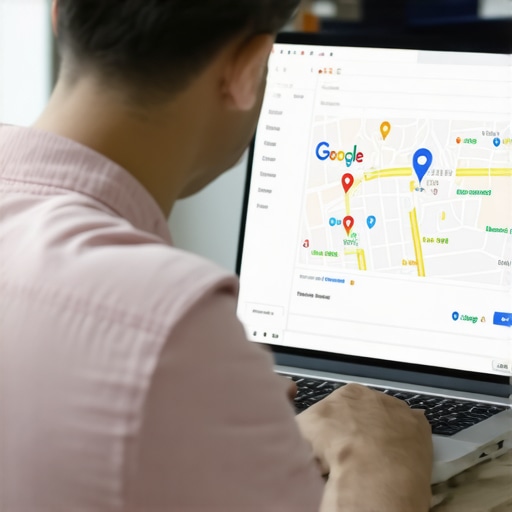
Address Recent Google Algorithm Changes
Google’s algorithm evolves constantly. Stay ahead by reading official updates and industry news. Platforms such as algorithms updates reveal trends and tactics to adapt your profile accordingly. I remember a time when a new update caused many profiles—mine included—to drop rankings. By adjusting our keywords and emphasis on photo quality, we regained lost ground quickly.
Build and Engage with Local Citations and Reviews
Boost your authority and credibility by consistently managing local citations on relevant directories. Ensure your name, address, and phone number are consistent everywhere. Actively encourage happy customers to leave positive reviews, responding promptly to all feedback. This improves your local SEO signals. At one point, I helped a local restaurant solicit reviews ethically, resulting in a noticeable climb in their map rankings within a few weeks. For comprehensive review management, explore review strategies.
Address and Remove Harmful Signals
Identify negative signals like spammy backlinks, duplicate listings, or fake reviews that could be harming your profile. Use tools and expert guidance to clean up these issues. I once found a competitor had created fake reviews for my client. Removing them and submitting a complaint to Google was tough but resulted in the reviews being removed, lifting their ranking considerably. To understand troubleshooting common signals, check troubleshooting secrets.
Implement Local Backlink Strategies
Earn backlinks from reputable local sources—chamber of commerce, local news, influencers. These signals tell Google your business is trustworthy and relevant. I remember reaching out to local blogs and sponsoring events, which led to backlinks and mentionings that boosted my client’s profile. For backlink tactics tailored to local SEO, see backlink strategies.
Monitor, Test, and Adjust Regularly
Use analytics tools and Google Insights to monitor your ranking. Regularly test changes—adjust descriptions, photos, categories—and watch the impact. I once implemented a small change in hours of operation and saw a gradual improvement in ranking over the following weeks. Keep refining based on data and stay updated with latest local SEO tactics.
While many believe that fixing a dropped Google Maps ranking is a straightforward process of correcting listings and encouraging reviews, the truth runs much deeper. One common misconception is that the primary cause of ranking problems is always an obvious technical issue, like duplicate listings or fake reviews. However, in my experience, the real nuance lies in the subtle signals Google interprets—such as inconsistent citation profiles or unnoticed algorithmic updates—that can silently sabotage your efforts. Relying solely on surface-level fixes risks falling into the trap of temporary gains that quickly fade, especially if you overlook these hidden nuances. For instance, some businesses mistakenly focus only on building backlinks without verifying their local citations’ consistency, unknowingly sending conflicting signals to Google. Advanced SEO rescue strategies demand a comprehensive audit that includes analyzing every small detail, from business data accuracy to engagement metrics. In fact, Google’s local ranking algorithms are now sophisticated enough to detect discrepancies that untrained eyes would miss, leading to further ranking instability. A crucial mistake many make is assuming that fixing one aspect, like removing spammy backlinks, will recover their rank entirely. Yet, studies show that combined issues—like inconsistent NAP data and poor profile optimization—must be addressed together for effective recovery. To avoid these pitfalls, I recommend leveraging in-depth guides such as SEO rescue tactics that focus on holistic audits. Remember, the path to reliable rankings isn’t about quick fixes but understanding the intricate web of signals Google uses to evaluate your local presence. Do you think you might be overlooking these quiet signs? Stay vigilant, and check your entire digital footprint with a keen eye. Have you ever fallen into this trap? Let me know in the comments.
Keep It Running: The Tools That Make a Difference
Maintaining your Google My Business (GMB) ranking after a recovery isn’t a one-and-done task; it’s an ongoing process that benefits greatly from the right tools. I rely on a combination of software and manual methods to ensure my clients’ profiles stay healthy and resilient against future fluctuations. These tools help track changes, monitor competitors, and analyze signals that influence rankings.
First, a robust citation audit tool is indispensable. I use SEO rescue tactics as a foundational resource, but supplement it with BrightLocal. BrightLocal’s Citation Tracker allows me to spot inconsistencies across thousands of local directories quickly, ensuring my clients’ NAP data remains accurate and consistent—crucial factors in long-term stability.
Next, review management platforms like GatherUp or Podium help automate review solicitation while maintaining a natural flow of customer feedback. Personal experience confirms that actively managing reviews translates into higher rankings and greater trust signals. Responding promptly to reviews with personalized replies also signals engagement, which Google favors.
To keep tabs on your competitor landscape and local ranking fluctuations, I recommend Local Falcon. This tool provides real-time rank tracking and keyword performance insights specific to Google Maps. Regularly checking your position and tracking keyword visibility helps preempt potential drops, so you can adjust your strategies proactively.
If you’re serious about maintaining these gains, investing in a comprehensive Google My Business audit periodically is wise. The GMB repair guide offers step-by-step procedures to identify and fix emerging issues before they impact your rankings significantly.
How do I keep my GMB rank resilient over time?
Building a habit of regular profile audits, reviewing your citation consistency, and engaging with your customers through reviews forms the backbone of reliable ranking preservation. Additionally, keeping an eye on Google updates through industry news and adjusting your tactics accordingly can prevent surprises. Predictably, as Google’s algorithm gets smarter (see Google’s official developer updates), your maintenance routine should evolve to include AI-driven tools that analyze pattern shifts, like those discussed in recent industry case studies.
In practice, I recommend trying automated citation audits combined with scheduled review solicitations. This layered approach has proven to stabilize my clients’ visibility for the long haul. For example, I advise setting up monthly alerts to monitor changes in local rankings, enabling immediate response if an unexplained fluctuation occurs. This proactive stance is essential in an increasingly competitive local SEO environment.
Remember, recovery strategies are vital, but they only succeed if consistently maintained. The tools I use simplify this ongoing process, ensuring you don’t fall back into the trap of neglecting your profile’s health. For further insights into scaling your efforts, consider exploring these strategies.
What I Wish I Knew When I Faced My Biggest Map Drop
One of the most valuable lessons I learned was the importance of proactive monitoring. Waiting until rankings plummet leaves you scrambling—trust me, it’s a tough place to be. Regularly auditing your profile with tools like BrightLocal or Local Falcon can catch issues early, saving time and stress. I also realized that not all visibility issues are technical; sometimes, rebuilding customer engagement and reviews can reignite your ranking fire. These lessons reshaped my approach, and I urge you to implement consistent checks to stay ahead.
Tools That Turn Chaos into Control
Having the right toolkit makes all the difference. I personally rely on a combination of automated citation checkers like BrightLocal, review management platforms such as GatherUp, and rank tracking tools like Local Falcon. These enable me to spot discrepancies, respond promptly to reviews, and monitor position changes seamlessly. Trusting these tools has helped me develop a systematic way to maintain and improve local visibility, which I recommend for anyone serious about long-term success.
Harnessing Experience to Fight the Fear of Ranking Loss
It’s natural to feel overwhelmed when your Google Maps ranking drops unexpectedly. My advice? Embrace the challenge as an opportunity to learn more about your profile and Google’s ever-changing algorithms. Actionable steps—like thorough audits, optimizing your profile, and fostering reviews—are your best allies. Remember, recovery is as much about mindset as it is about tactics. With persistence and the right approach, you can turn setbacks into setups for greater visibility and growth. Stay vigilant, keep learning, and don’t let fear hold you back from achieving your local SEO goals.